Your UGC portfolio is costing you brand deals
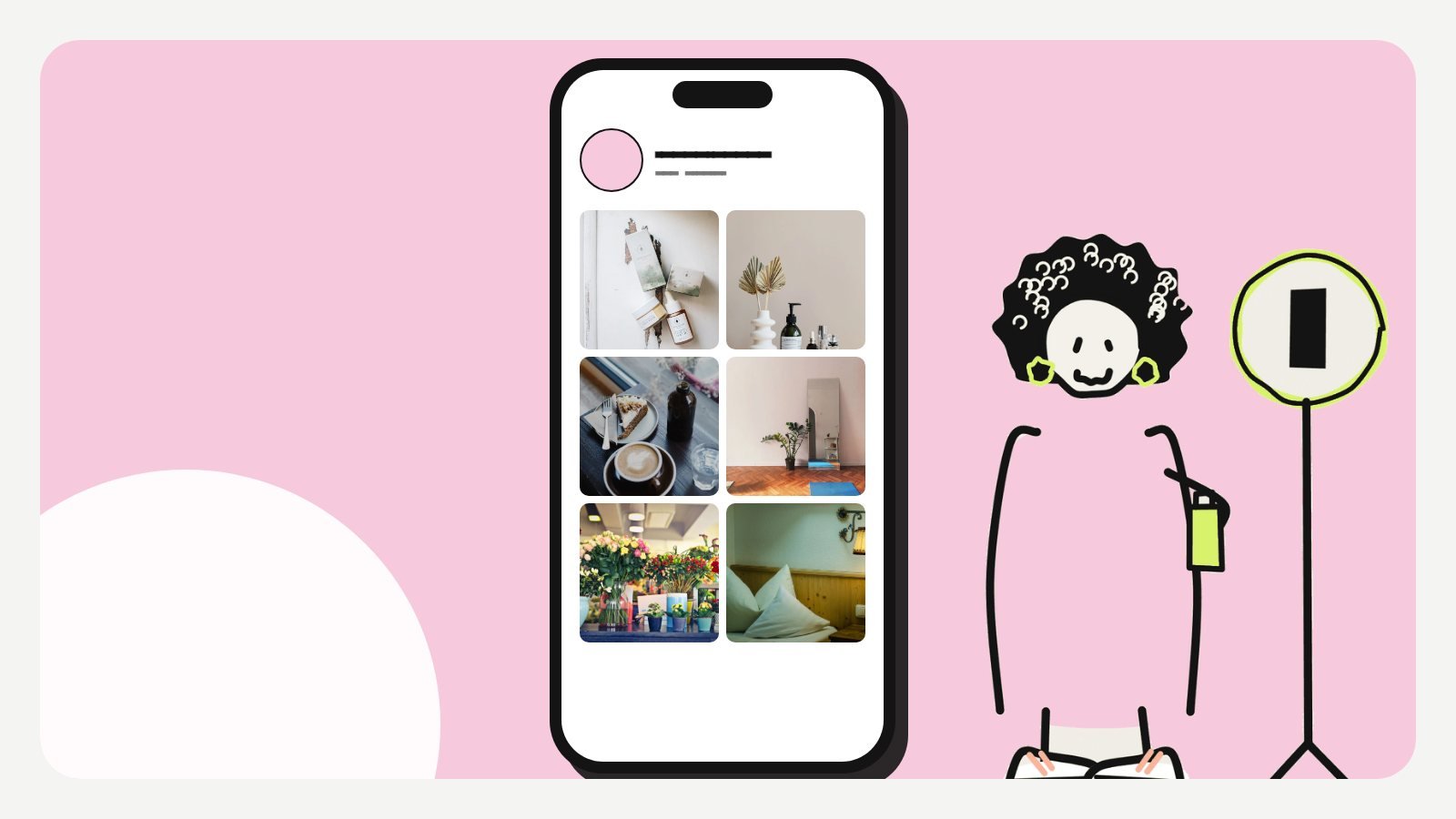
Most UGC creators treat their portfolio as a gallery of their best videos. UGC means user generated content, the short videos and photos a creator makes for a brand to use on its own ads, product pages and social accounts. The usual UGC portfolio mistakes all come from the same idea, that the work will speak for itself.
A brand opening your portfolio is not there to admire the lighting. It wants to know what you cost, what your videos have sold, what kind of products you make content for, how to book you and what it is allowed to do with the files. A gallery answers none of that, so the brand moves on to the next creator who does.
This piece goes through those five gaps one at a time, with a fix for each. The number to hold in your head is the average UGC campaign cost on Collabstr, which fell from $209 to $197 in its 2026 report.
The UGC market is crowded, so a portfolio that makes a brand work harder loses. Collabstr is a marketplace that takes a share of the creator deals made on it, so it has a commercial interest in these numbers. Its 2025 report said 66% of creators on the platform offered UGC, up from 26% the year before.
Finally, there is a five minute check you can run on your own portfolio today.
Why do brands skip a UGC portfolio with no rates?
Because a brand cannot budget for a creator who will not say what they cost.
A missing price turns your portfolio into homework. The person hiring you usually has a fixed budget for the month and a list of creators to get through. "Rates on request" means an email, a wait and a reply that might be out of budget anyway, so the creator who shows a number gets the first message.
The going rate is lower than most creators hope, and brands know it. Collabstr's 2026 report, as summarised by the creator agency inBeat (I could not open Collabstr's own page), puts the average listed UGC package at $180 and the average amount actually paid at $154, from its 2025 marketplace data. Those are averages from one platform, not a fair price for your work, but they show that brands negotiate down from whatever they see.
Packages work better than a single rate. Three plain options let a brand pick without writing to you first. Say you make skincare videos. Your packages could read like this, with your own numbers in the brackets.
- One video, up to 30 seconds, two different opening hooks, raw files included, [your price]
- Three videos for one product, two hooks each, [your price]
- Monthly retainer, four videos a month, [your price]
Write "from" if your prices move, but write a number. A starting price still lets a brand rule you in. If you are unsure whether showing prices scares people off, I went through the evidence on that in should you show prices on your website.
Pretty videos with no results
Brands buy UGC to sell a product, so they want a sign that your videos have done that.
A brand is hiring an advert, not an artist. Your portfolio needs at least one line per video about what happened after it went out. Views on your own account, a brand repeating the order, a video that ran as an ad for six weeks. Any real outcome beats none.
Most UGC creators never see the ad numbers, so ask for them. The brand runs the ads, and the results sit in its ads account. At the end of every job, ask the brand one question, whether it can share how the video performed and whether you may mention it. Write down exactly what it says and how you can use it.
Never round a result up. If a brand told you a video "did well", that is what you write, with the brand's permission. Inventing a click rate is the fastest way to lose a client who checks.
Repeat work is a result too. Say a candle brand has hired you three times. "Rehired three times by the same brand" tells a new brand more than a reel of beautiful candles.
No niche, so no reason to pick you
Brands look for creators who already make content for products like theirs.
A brand selling dog food wants to see dogs. If your portfolio mixes skincare, fintech apps, protein shakes and pet toys in equal measure, the dog food brand has to guess whether you can do its product. It will pick the creator whose page is full of dogs.
Pick one or two niches and lead with them. Put the niche in the first line of your page, in plain words. "I make UGC for skincare and haircare brands" works. "Content creator and storyteller" tells a brand nothing.
You can still take other work. Keep a smaller "other work" section lower on the page. The niche is the shop window, not the whole shop.
I think creators avoid choosing because it feels like turning money away. In my experience of reading pages for a living, the vague page turns more money away.
Only "DM me" as the way to book
A DM inbox is a slow, messy place for a brand to send a paid brief.
"DM me for collabs" puts the whole job of booking on the brand. The brand has to find the right account, send a message into a request folder you might not check, and wait. Many brands also brief creators through email or a platform, with a budget and a deadline attached.
Give a brand three things on your page. A work email address, a short enquiry form that asks for the product, the budget and the deadline, and a line saying how fast you reply ("I reply within one working day"). A brand that can see a reply time is more likely to send the brief.
Check that the route works. Send yourself a test enquiry from the form and from a phone. Contact routes that quietly fail are one of the things on what we check, because a broken form looks exactly like a creator who never replies.
No usage rights terms on the page
Usage rights decide where a brand can use your video and for how long, so they belong in your packages.
Usage rights are the permission a brand gets to use your content. They say where the video can appear (the brand's own posts, its website, paid ads), for how long and in which countries. Paid ads usage is the big one, because a brand can put money behind your face for months.
In the UK, the creator usually owns the copyright unless it is signed away in writing. The UK government's guidance says that if you are commissioned to create a work, you will usually own the copyright. It also says an assignment of copyright is only effective in writing. You can license your work instead, which lets a brand use it while you keep ownership. Rules differ in other countries, so check yours, and get legal advice for big contracts.
Platforms make long ad usage easy for brands. TikTok's own help page for its Content Suite tool says this, word for word.
All Spark authorization requests are defaulted to 365 days for authorization period.
A Spark Ad runs your original post as a paid ad from your account. If you accept that default without a price for it, a brand can run your video as an ad for a year on a one video fee.
Put your usage terms next to your packages. A clear line covers most deals. "Includes organic use on the brand's own channels. Paid ads usage is 30 days for [your price], 90 days for [your price]. Full buyout priced on request." The brand sees a professional who has done this before, and you stop giving away a year of advertising for free.
The five minute check on your own portfolio
Open your portfolio on your phone and read it the way a busy brand would. Time yourself. Within a minute you should be able to answer five questions from the page alone.
- What does this creator charge, at least as a starting price?
- What happened after at least one of these videos went out?
- What kind of products does this creator make content for?
- How do I send a brief, and when will I hear from them?
- What am I allowed to do with the videos, and what costs extra?
Any question you cannot answer is a deal you are probably losing. Fix the missing one first, then the next. If an AI tool wrote your bio, read it once more against why AI written website copy sounds like everyone else, because "passionate storyteller" lines are a quick way to blend into every other creator on the platform.
I built Roast to do this check for people who are too close to their own page to see it. A roast reads your whole portfolio site, including the contact form and the booking steps, and tells you in plain words what is putting brands off and how to fix it, with a prompt you can paste into your AI tool. It is private, never published and never shown to anyone else. The free preview gives you your score and top three problems, and the full roast is on the pricing page.
Your videos might already be good enough. The page around them has to let a brand say yes.
Find out what is putting your customers off.
Sources
Market figures (vendor and agency sources, each with a commercial interest)
- Collabstr, 2025 Influencer Marketing Report, as republished by Stacker, stacker.com
- Net Influencer, coverage of the Collabstr 2025 report (66% of creators offering UGC, up from 26%), netinfluencer.com
- Collabstr, Annual Influencer Marketing Report 2026, collabstr.com
- inBeat, influencer marketing benchmark report (summary of Collabstr 2026 UGC prices, listed $180, paid $154, campaign cost $197 from $209), inbeat.agency
- Hello Partner, coverage of the Collabstr 2026 report (average UGC cost under $197), hellopartner.com
Usage rights
- UK government, A quick guide to protecting your creative work, gov.uk
- TikTok Ads Manager help, How to use Content Suite to create and launch Spark Ads, ads.tiktok.com